Un journal d'un Jardin Potager du Pays des Illinois

Category: Uncategorized (Page 17 of 18)

Printemps

17 April, Sunday

74 Degrees F

Sunny, Light Winds

Traveling to the fort today, through the winding roads in Illinois farmland,  the air truly felt like spring. In the weeks since the last posting, rains have been frequent, with temperatures swinging from cool to warm and back again. Luckily, today’s work in the garden was to be accompanied by warm winds. Perfect weather to plant our new fruit trees that have been in a cool storage location for the last two weeks awaiting the right planting conditions.

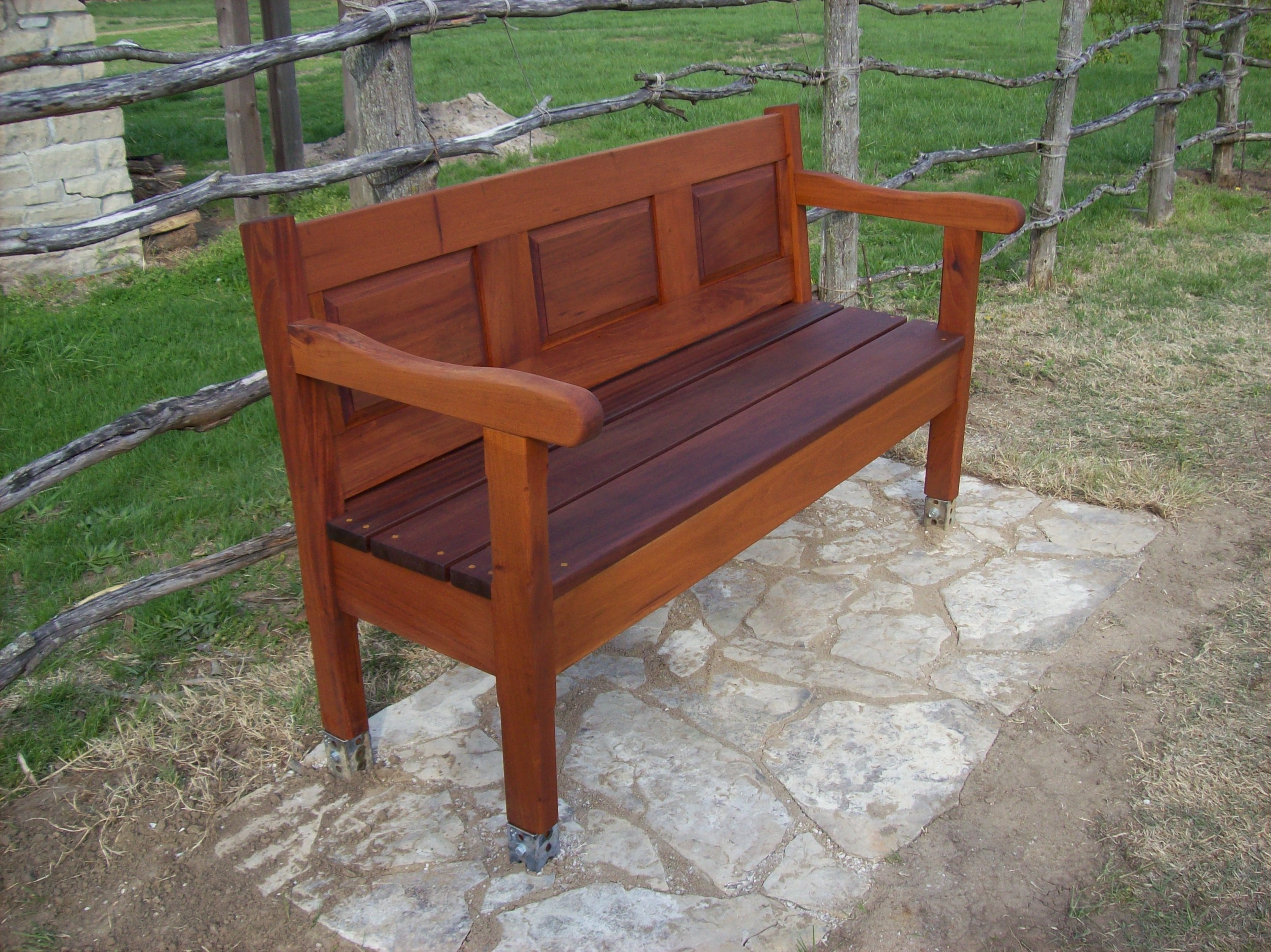
While we waited for these warmer temperatures, our long range l’habitant jardin plans were reviewed and discussed. The plans referenced descriptions of typical French residences, as from former Governor Thomas Ford’s History of Illinois. He resided in the Illinois Country in 1805 and reminisced, “These houses were generally placed in gardens, surrounded by fruit trees of apples, pears, cherries, and peaches; and in the villages each enclosure for a house and garden occupied a whole block or square, or the greater part of one.” A beautiful new addition to the l’habitant jardin is a period reproduction bench created by Zack Huber, a local Eagle Scout candidate from Prairie du Rocher.
Blight and disease had damaged some of the existing fruit trees in our habitant garden and removal was begun the week previous by Gerry Franklin, a member of the fort staff. Earlier this year, the following tree varieties were researched, ordered and now ready to be planted

  • Snow Apple (Fameuse), France, prior 1800. One of the oldest and most desirable dessert apples, a parent of the aromatic McIntosh.
  • Summer Rambo (Rambour Franc), France, 1535. Large red fruit, bright striped. Breaking crisp, exceptionally juicy, aromatic flesh.
  • Calville Blanc, France, 1598. This is a gourmet culinary apple of France. Uniquely shaped medium ot large size fruit, yellow skin with light red flush. Banana-like aroma with more vitamin C than an orange.
  • Anjou Pear (Beurre d’Anjou), France, prior to 1800. Large, conical short-necked fruit, light green when ripe with some russeting.  Mild, melting with white flesh with delicate aroma.
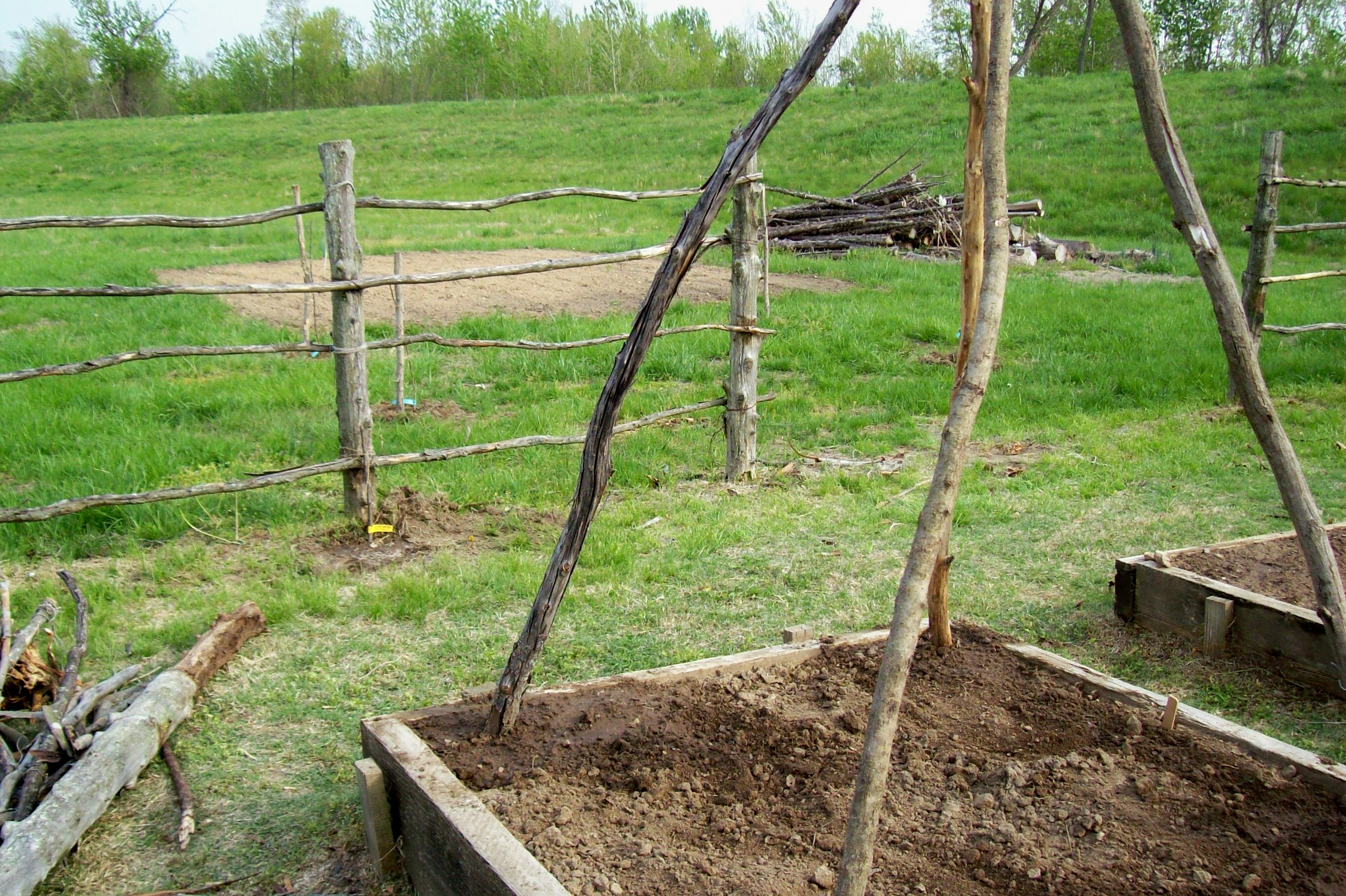
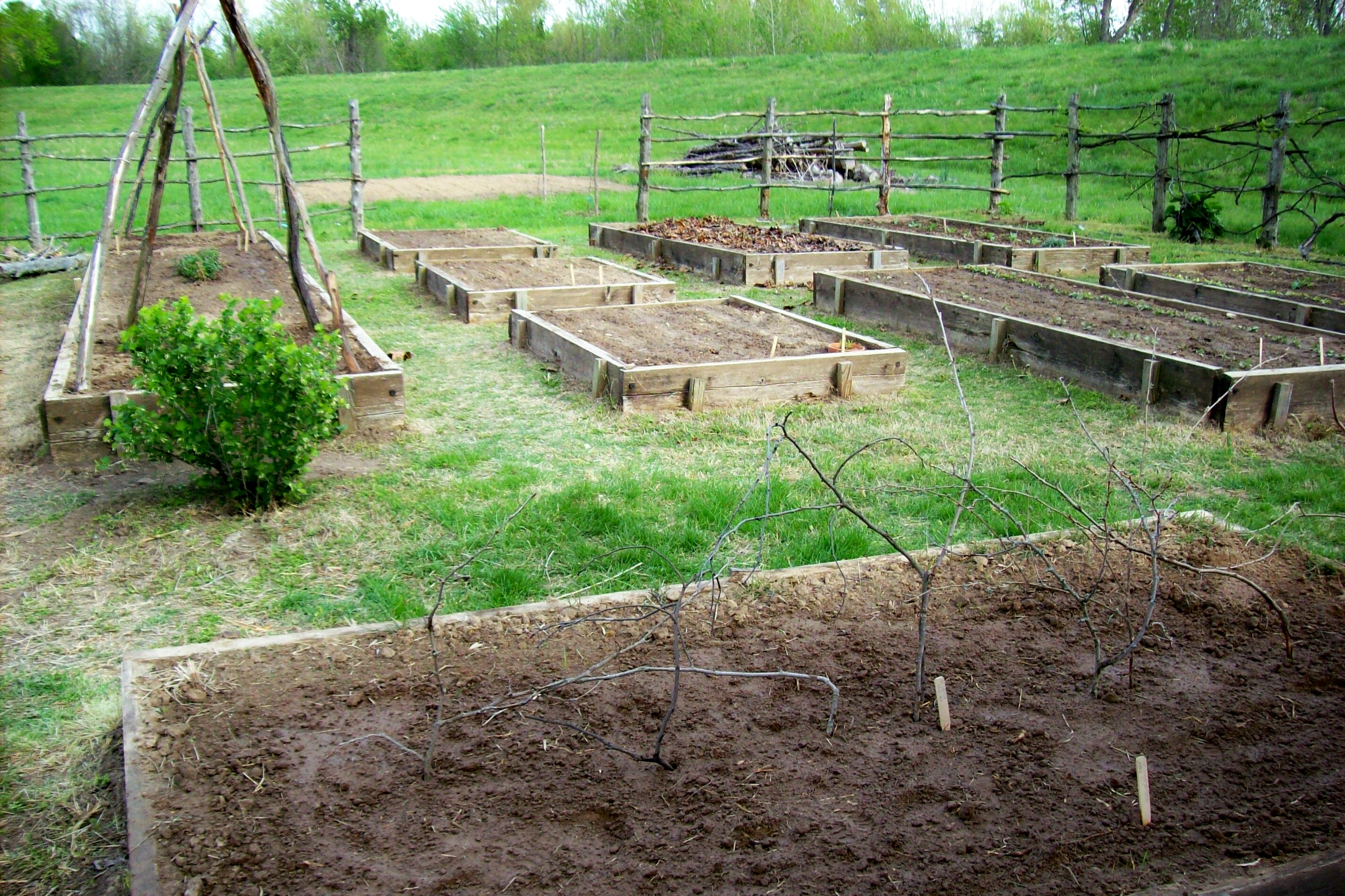
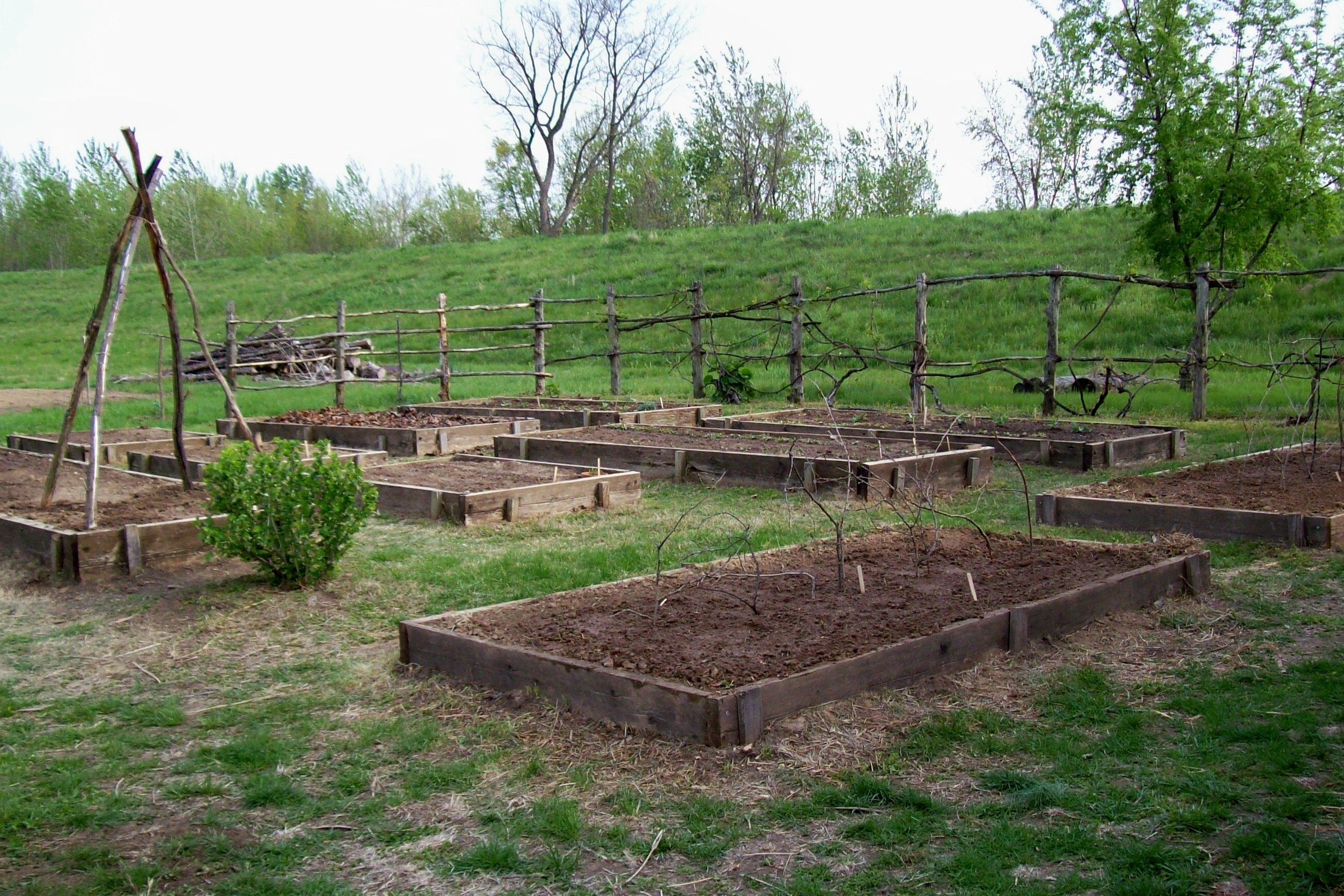
Volunteers Jeremy, John, and Nick, along with Dennis, a fort staff member, were assisting in the garden work today, digging holes and planting trees. The pear trees were placed just outside the garden fence; the apple trees planted inside the garden fence in an alternate order to be espaliered as they grow. Immediately the trees were pruned, wired to their supports, and watered in. Jeremy and Nick (with John’s assistance) placed the wooden pole supports for the Painted Lady Runner Beans in the first of the garden beds and the beans were planted around their bases. The last two beds to be sowed with spring vegetables were planted with differing varieties of peas (Blue Podded and de Grace Snow Peas). Branches were pushed into the garden beds to act as supports for these climbers. As peas grow, they will climb through the branches that hold the supports in place and upright. Also planted among the turnip rows were Tom Thumb bush peas, saved from last season’s successful crop. Again beds were watered as tools were gathered, cleaned, and put away-preparations for the travel home. Winding our way home, we once again reflected, dwelling on the day’s accomplishments and the work yet to come.  We look forward to the projects of the season ahead, including our new compost bin being created by Justin Detering, a local student, as it nears completion.
Please note: An upcoming family event at the Fort de Chartres , will be the annual Kid’s Day on Saturday, May 7, from 10 AM-4 PM. It’s a  free event that features yard games, period board games, rope making, dancing, King & Queen coronation, gardening, free trees, artifact display (arrowheads, etc.), and a puppet show. Come out to the fort and enjoy the morning or afternoon with your family and immerse yourself in fun activities pertaining to our region’s 18th century history.
Trade Faire Gardening

3 April, Sunday

80 Degrees F

Sunny, Gusty Winds

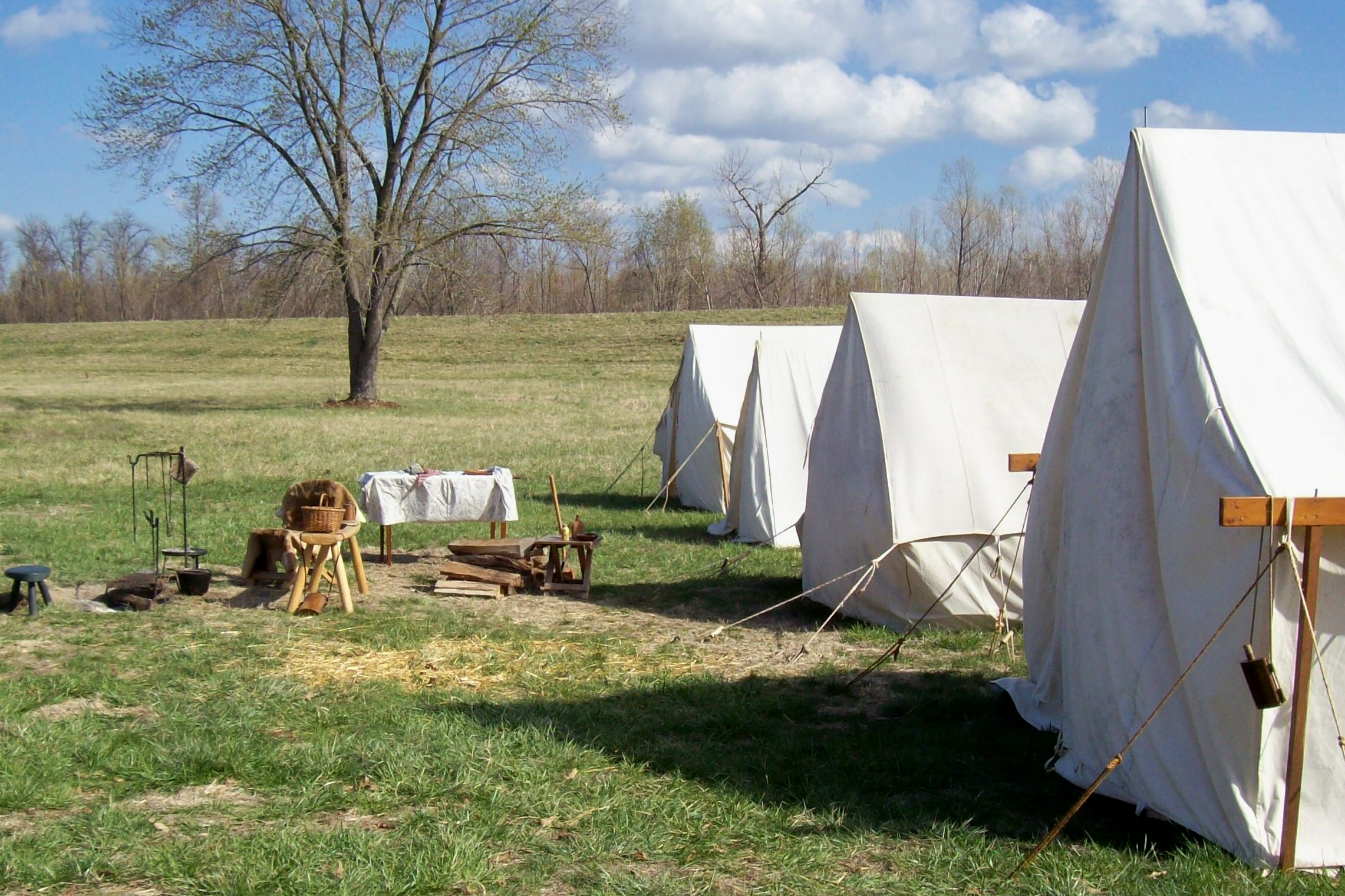
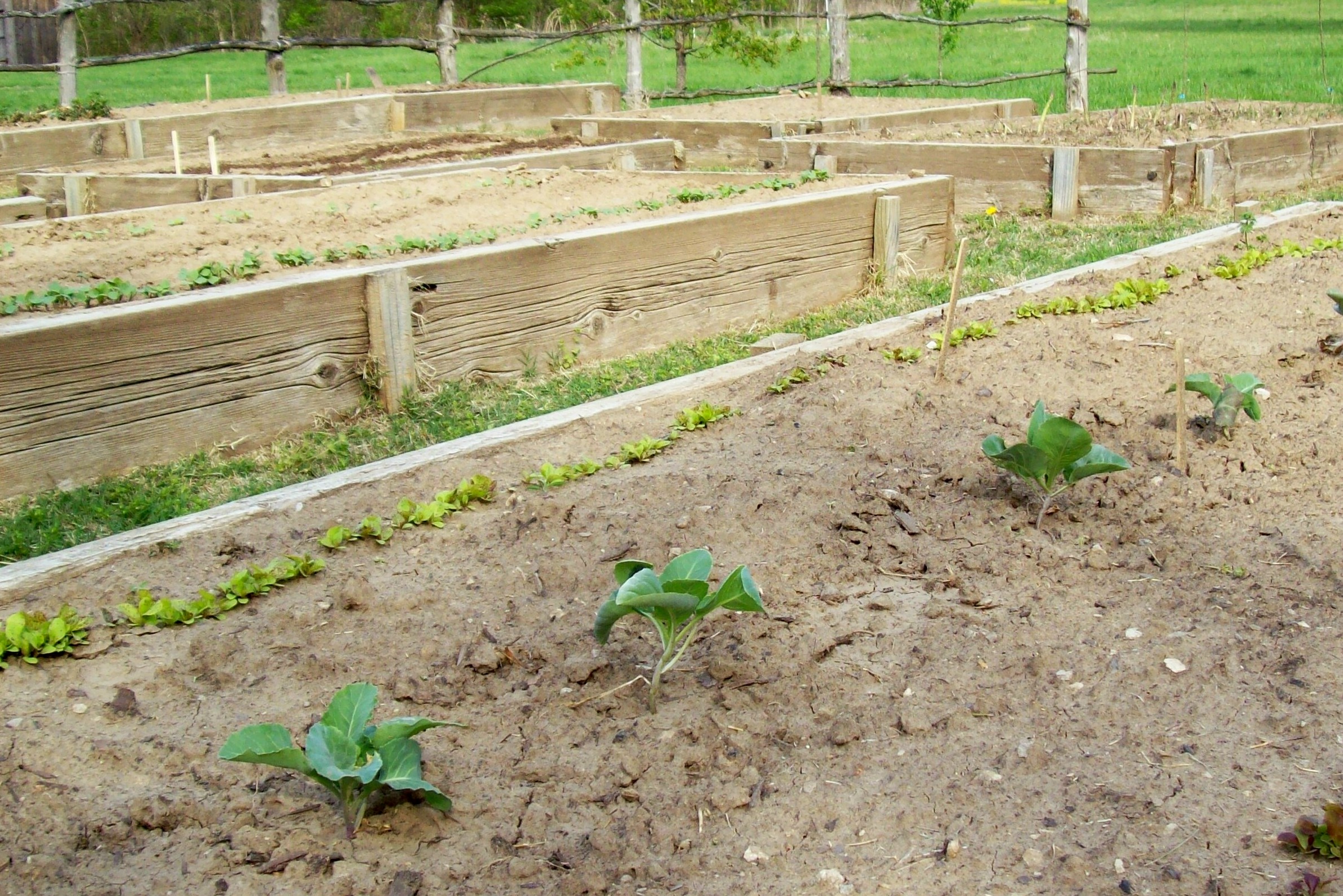
After a busy weekend enjoying the Fort de Chartres annual Colonial Trade Faire and Rifle/Musket Frolic (sponsored by the Chasseurs du Datchurat), Sunday morning brought bright sunshine and rising temperatures. As we basked in  the warmth relaxing in our camp, we looked beyond and the garden beckoned. Toni and Renea quickly set to work weeding the asparagus bed and I began to prepare a few beds for planting. It was remarkable to reflect that just a few days earlier, strong winds brought air that was quite cool and damp and just the week previous we were experiencing thunder-snow! This morning our hope was to finish preparing and planting the beds that we were unable to work on due to the earlier snows. After hoeing and weeding, we planted St. Valery and Tonda Di Parigi carrots, Crapaudine and Early Wonder beets, Navet des Vertus Marteau turnips, and Red Wetherfield Onion sets. These heirlooms are seeds/sets of the 18th century and are close to the type of vegetables that might have been grown by les habitants of the Illinois Country, full of flavor and valued for their many uses-fresh or preserved. The newly planted seeds were well watered, as well as the other parts of the garden already planted. Gooseberry shrubs were pruned, joining the grape vines already so prepared by fort staff memebr Dennis Thomas and volunteer John Guilfoy. Walking the garden, the cabbage transplants appeared to be settling in nicely and the lettuces, spinach, and radishes seedlings were beginning to emerge. These cool weather crops were not bothered by this uncertain weather, thriving and growing, using the current warm air to fuel their growth. A morning spent in garden work under the sun warming rays was a pleasant way to end to a weekend of camaraderie and friendship. In the weeks ahead, as we near our last frost-date milestone, the next seeds to be planted will be runner beans and peas. Other garden projects include new heirloom apple and pear fruit trees which have been ordered and delivered. These new fruit trees are provided by Les Amis de Fort de Chartres, the fort volunteer organization. As we prepare work on our garden layout and design, we welcome the onset of spring!

Gardening Weekend, L’Habitant Jardin Potager-Neige!

Silvertree Forge

25 March, Friday

38 degrees F

Overcast, Light Wind

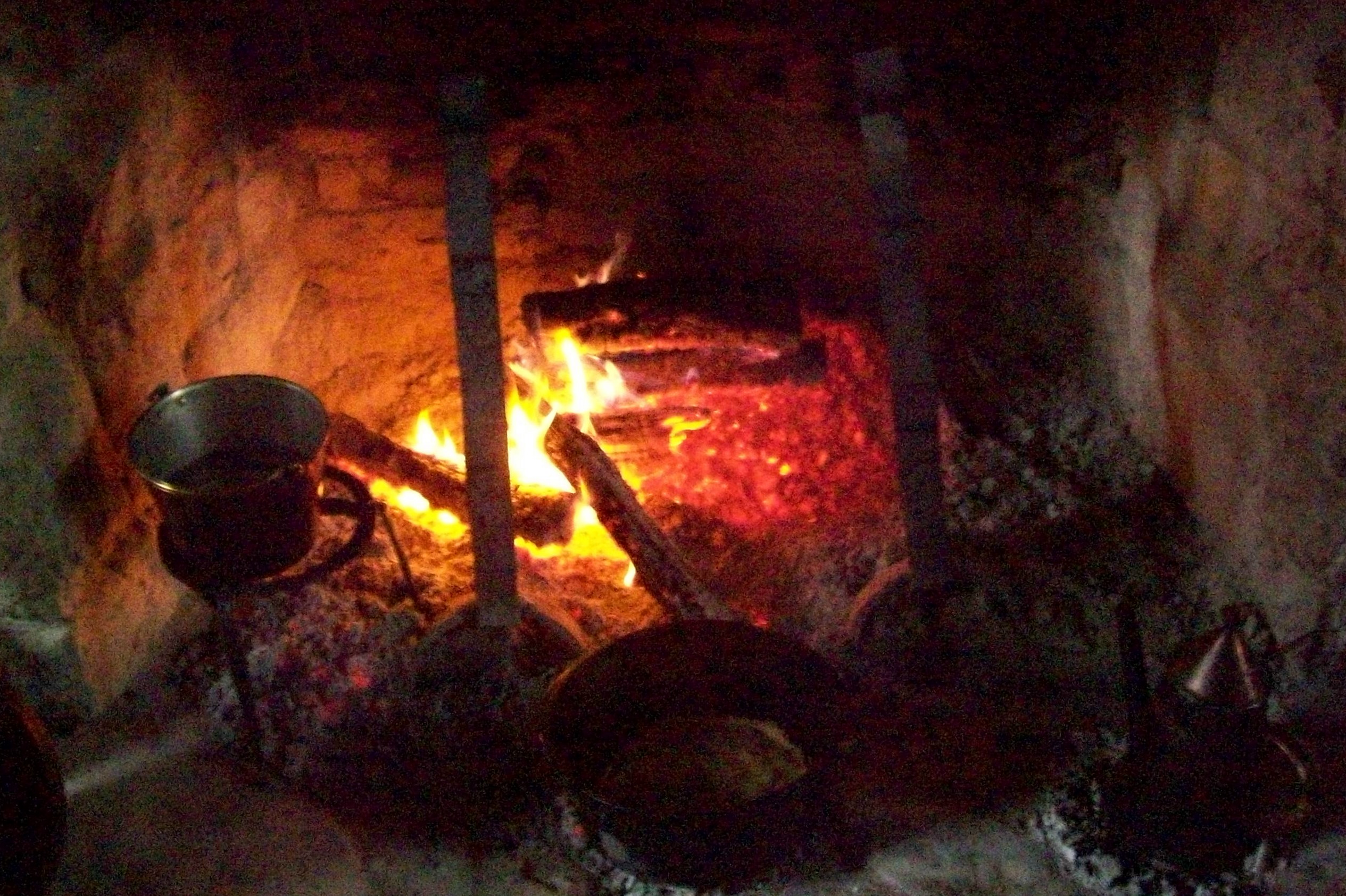
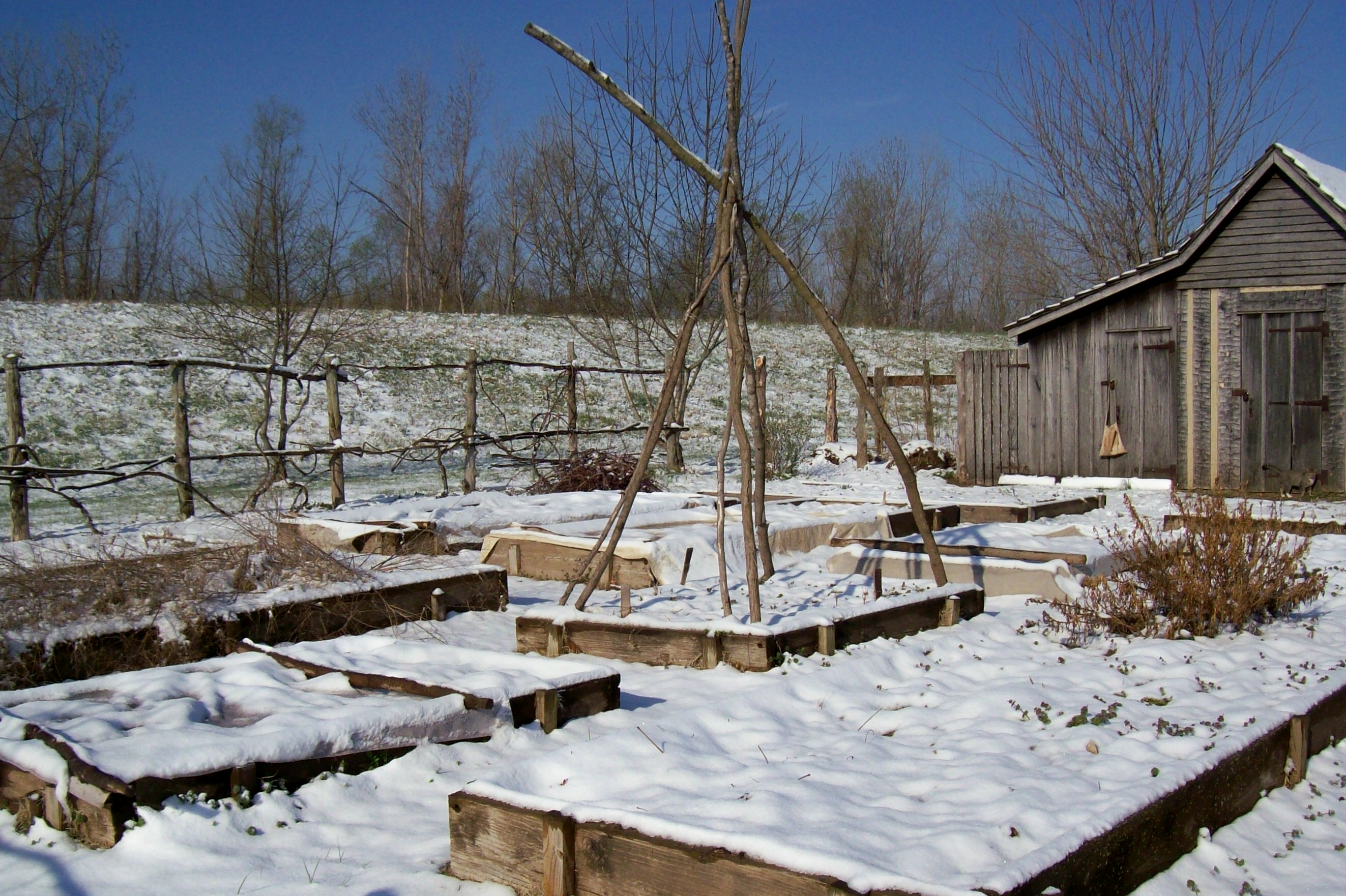
The air is cold and damp as we arrive at the Fort to prepare for the gardening weekend for l’habitant jardin. Immediately, canvas tarps are placed on some of the raised beds to prepare for the oncoming weather fast approaching. The tarps will keep new moisture from saturating the beds, as we hope to salvage planting later in the weekend once the forecasted snow has ceased. As this task is accomplished, we prepare the guard room for the weekend’s stay, enjoying the heat emanating from the newly lit fireplace. We light lamps and lanterns and prepare the bedding while the day’s light still holds. The table is laid for a simple evening’s meal of fish and bread. Sophie, the young cat newly in residence at the fort, has curled up in the bedding, taking advantage of the warmth beginning to steal across the room. Darkness descends and we know not what the new day will bring.

March Fort26 March, Saturday

36 degrees F

Snow, 5-10 NW Wind

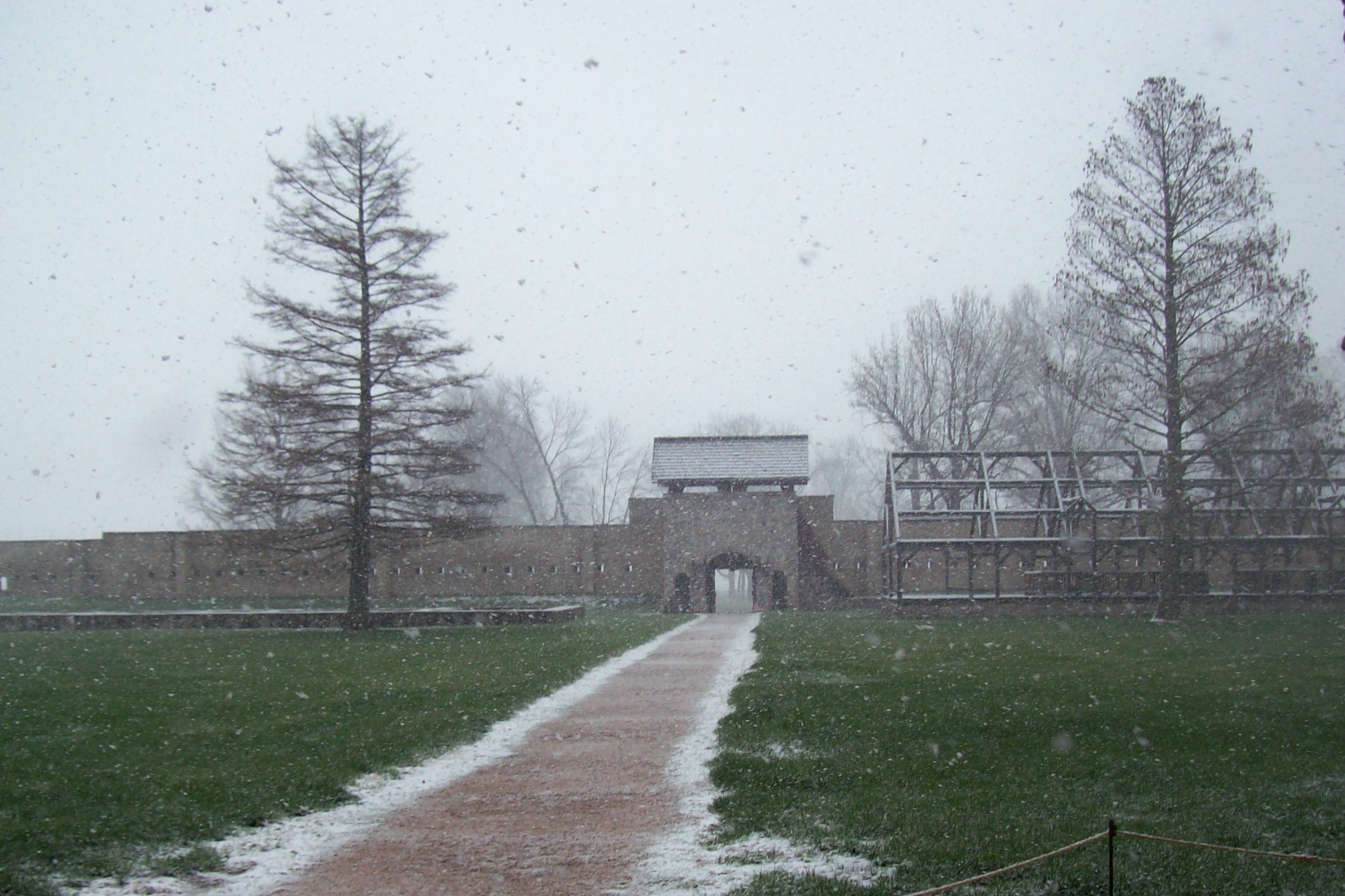
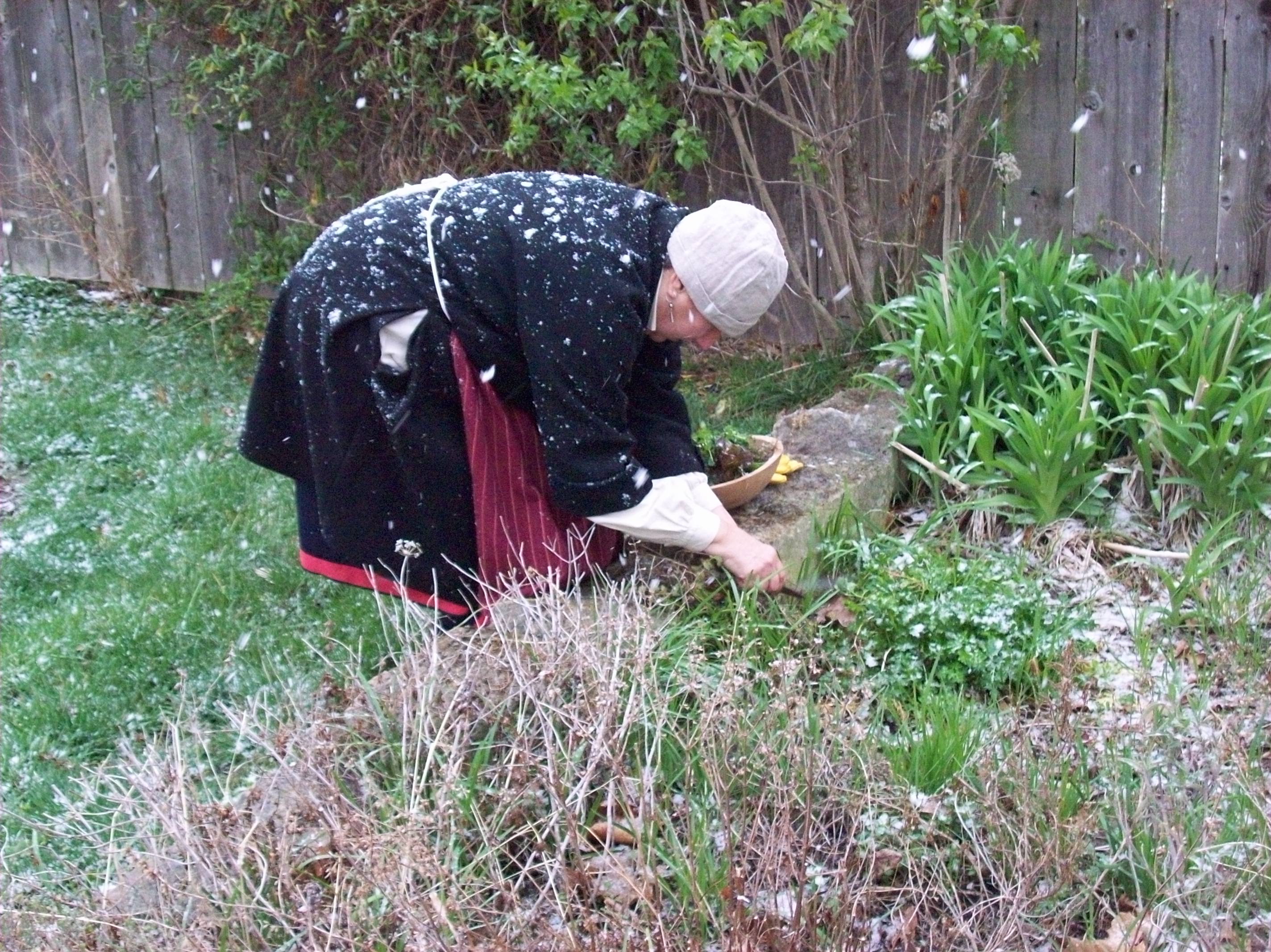
As we awake to freezing temperatures, the skies are grey and the clouds ominous.  By midmorning, the cold and damp keep us to our duties inside. As we finish our late morning repast consisting of a warm tourtiere served with maple syrup, a startling flash of lightning is followed by a long slow roar of thunder. We run to the guard room windows and to our amazement, huge snowflakes are drifting downwards, melting as they touch the ground. After our initial surprise, we acknowledge no gardening will be accomplished this day; we venture outside to observe the falling snow. With flakes clinging to our coats, we gather the last of the greens from the winter planting and spring herbs for our evening meal.

Author gathering herbs.

Once inside, our attention is turned to tasks that can be accomplished in a warmer setting. Chicken bouillon is prepared and placed on the hearth to simmer all day with some of the gathered herbs. Others attend to long overdue mending and sewing. Another spends time using their lucette, creating cordage to replace broken and mended lengths. The snow continues to fall and begins to accumulate. Occasional bursts of lightning and thunder steal across the sky and continue to surprise. Garden seeds are organized and the jardin plot is reviewed.  Anxiousness accompanies this planting delay, as it is quickly becoming past time in the new year to have certain seeds sown this season. The continued snow and cold this early spring have prevented normal progress in the garden. We will need to make productive use of any good weather to prepare beds and plant.

Before long, the light is fading and our meal of bouillon, boiled ham, our gathered salad of lettuce, spinach, and salad burnet, are placed on the table along with bread for a satisfying meal. A fine evening of conversation and song follows, as we enjoy the warmth of the fire and companionship of close friends. We end the evening, thankful to be so well situated with the late winter storm still swirling just beyond the guard room door.

27 March, Sunday

42 Degrees F

Sunny, Light Wind

Snow-Laden CanvasTarps

Morning arrives heralded with sunshine, a chill to the air, and snow covering the ground. As we attend to our morning meal and duties, we await the sun’s rays to warm the world around us. Immediately after the table is cleared and dishes are cleaned, we observe and are well pleased with the sun’s progress upon the melting snow. We are drawn to the garden, anxious to remove the tarps laid earlier in the weekend. We pull back the snow-laden canvas and reveal beds that appear fairly dry from the weather the day earlier. Seeds can and will be planted this day! Those that need cool temperatures to emerge and thrive would not mature into much needed spring vegetables, replacing of the last of winter’s stores.

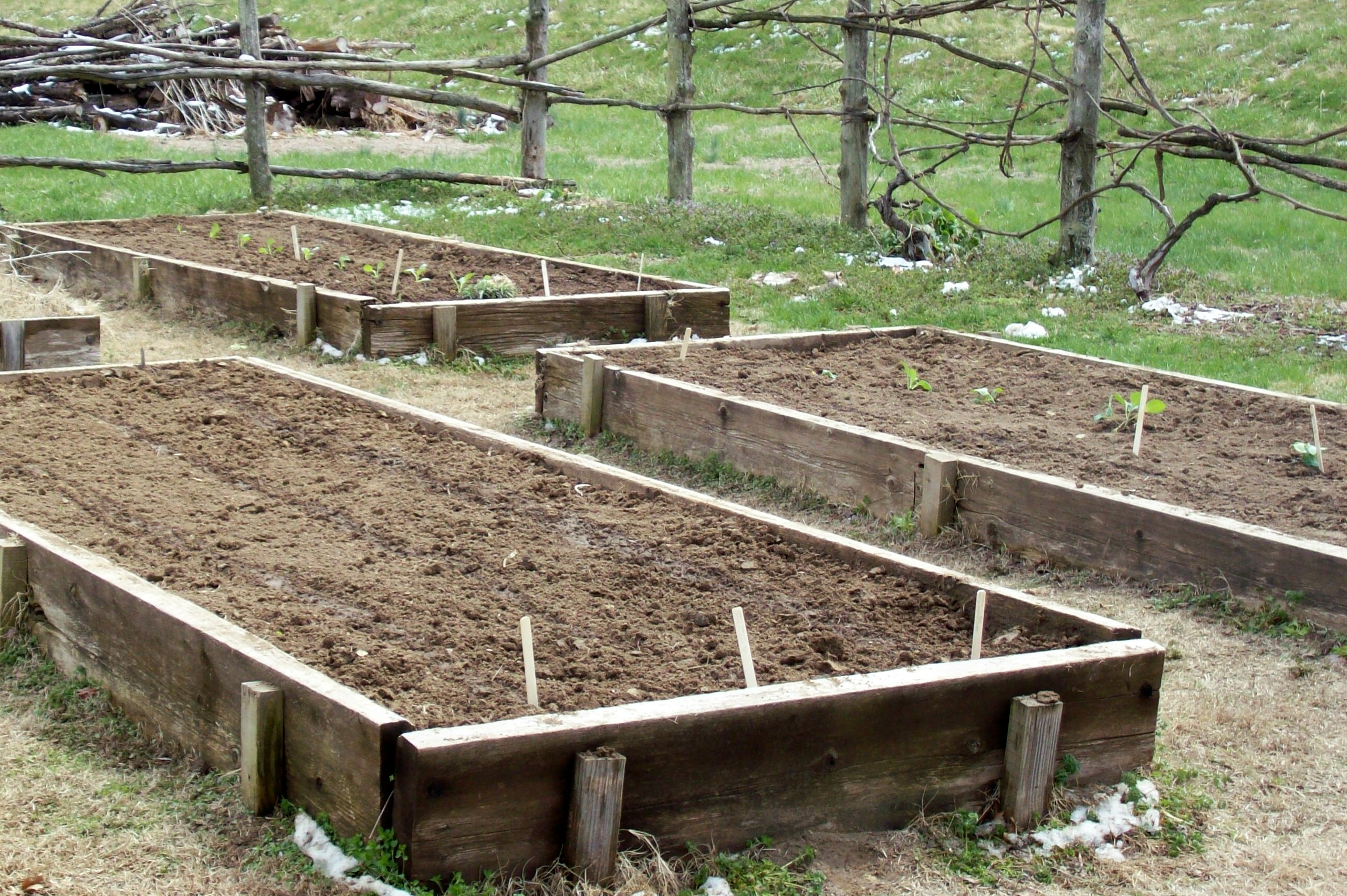
As we bring our supplies to the garden, the work is begun turning beds and adding dry compost. Beds are smoothed and prepared for planting.

Antoinette & Renea

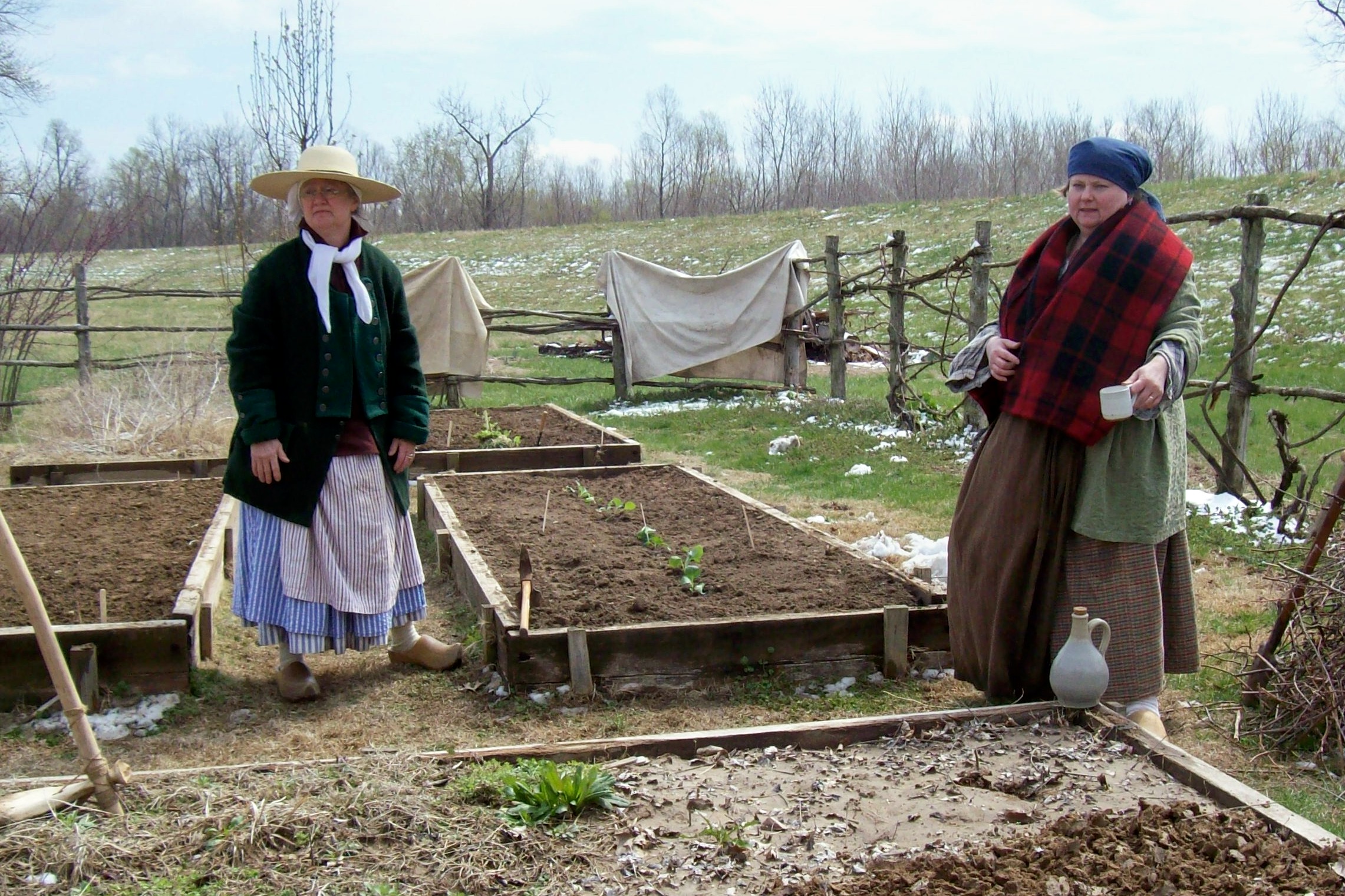
We furrow rows and spend the late morning and early afternoon transplanting the cabbages, and seeding beds with heirloom varieties of kale, leeks, lettuces, radishes, and spinach, watering each as they are planted. We make sure we rotate the new plantings from the garden layout of the year previous, giving beds a time to breathe and frustrating pests overwintering in the soil. (The newly planted varieties for this year’s garden are listed on the layout page of this blog.) A great sense of satisfaction and accomplishment today-the new planting season of our jardin potager has begun. Perseverance and determination have prevailed this day, both traits that serve a garden well!

Malheur Mars

Malheur Mars

14 March, Monday

Snow, 36 degrees

Winds 11 mph, NNE

The first post of the gardening New Year was to have descriptions of the garden and planting activity in our jardin potager, but alas, the weather has been a difficult friend this past month. The beds have been too wet to work but we look forward with hope to the days soon when we can prepare the beds and begin planting. The seeds are ordered and although we direct sow most of the vegetables varieties, a few of the varieties have been started and are ready for transplant. This time last year, the cabbage, leeks, and spinach had already been planted but the rain and snow have made it impossible yet this year.  We are hoping for improved weather soon, as our seeds and transplants are prepared and ready to be sowed.

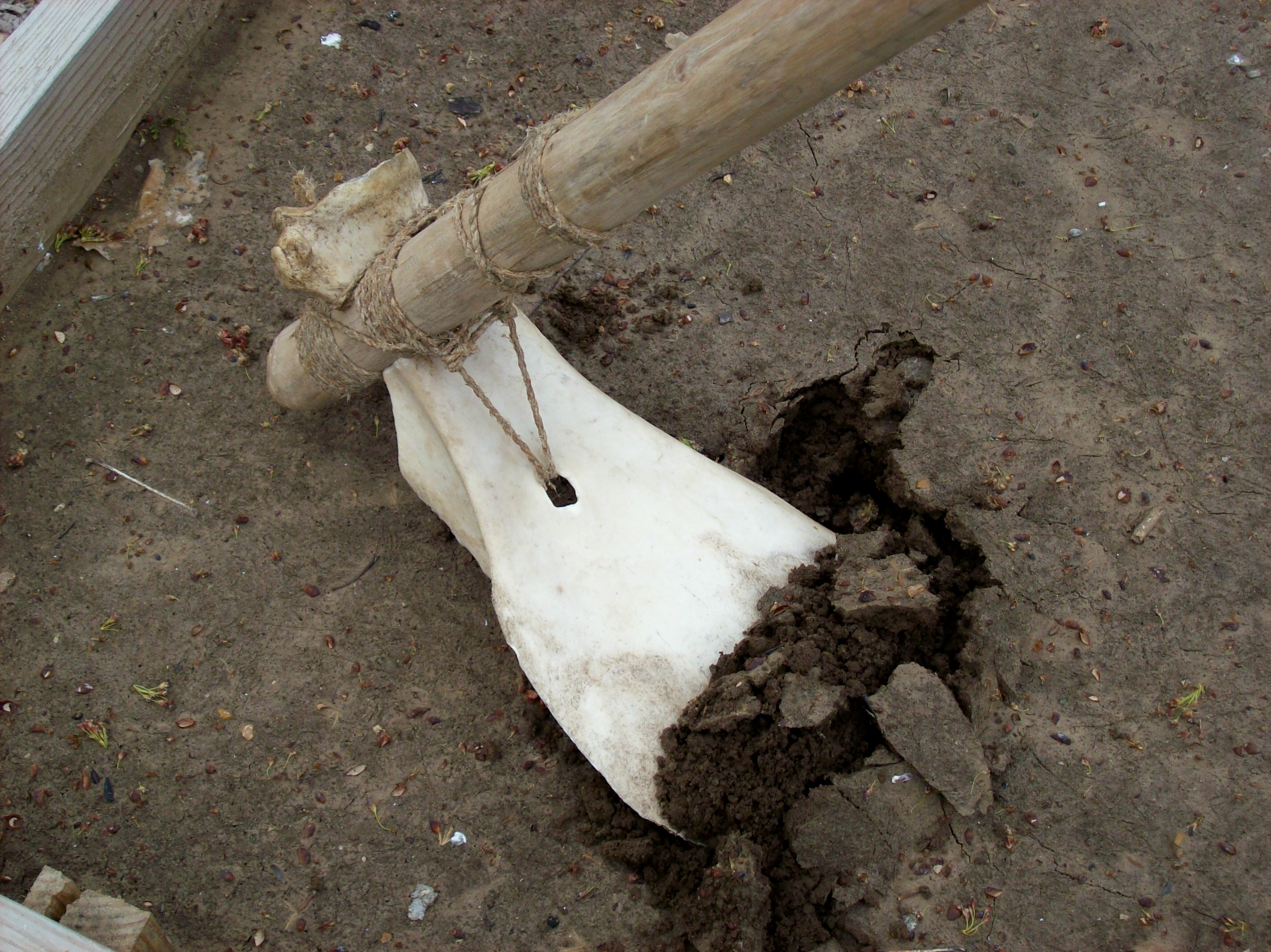
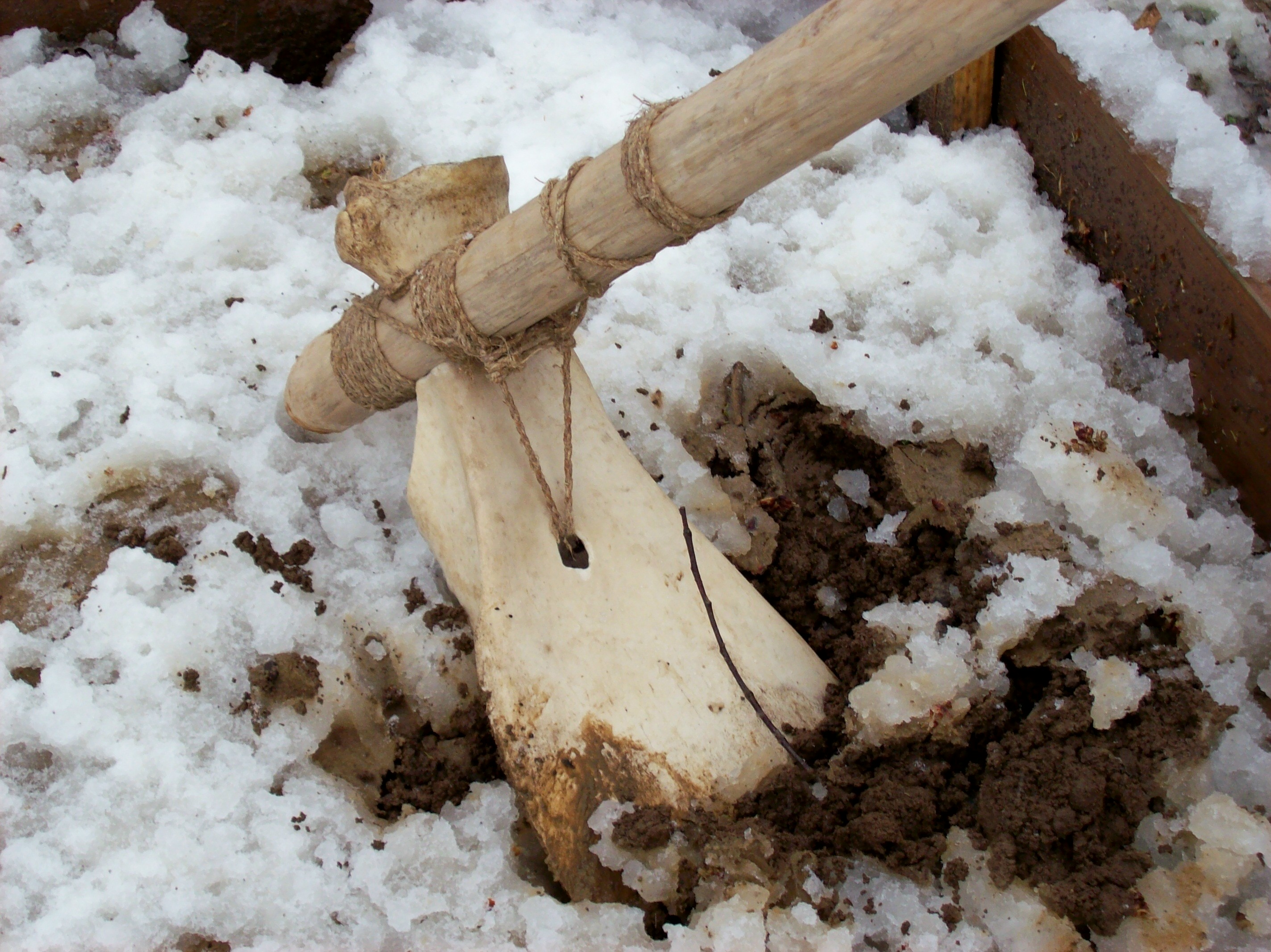
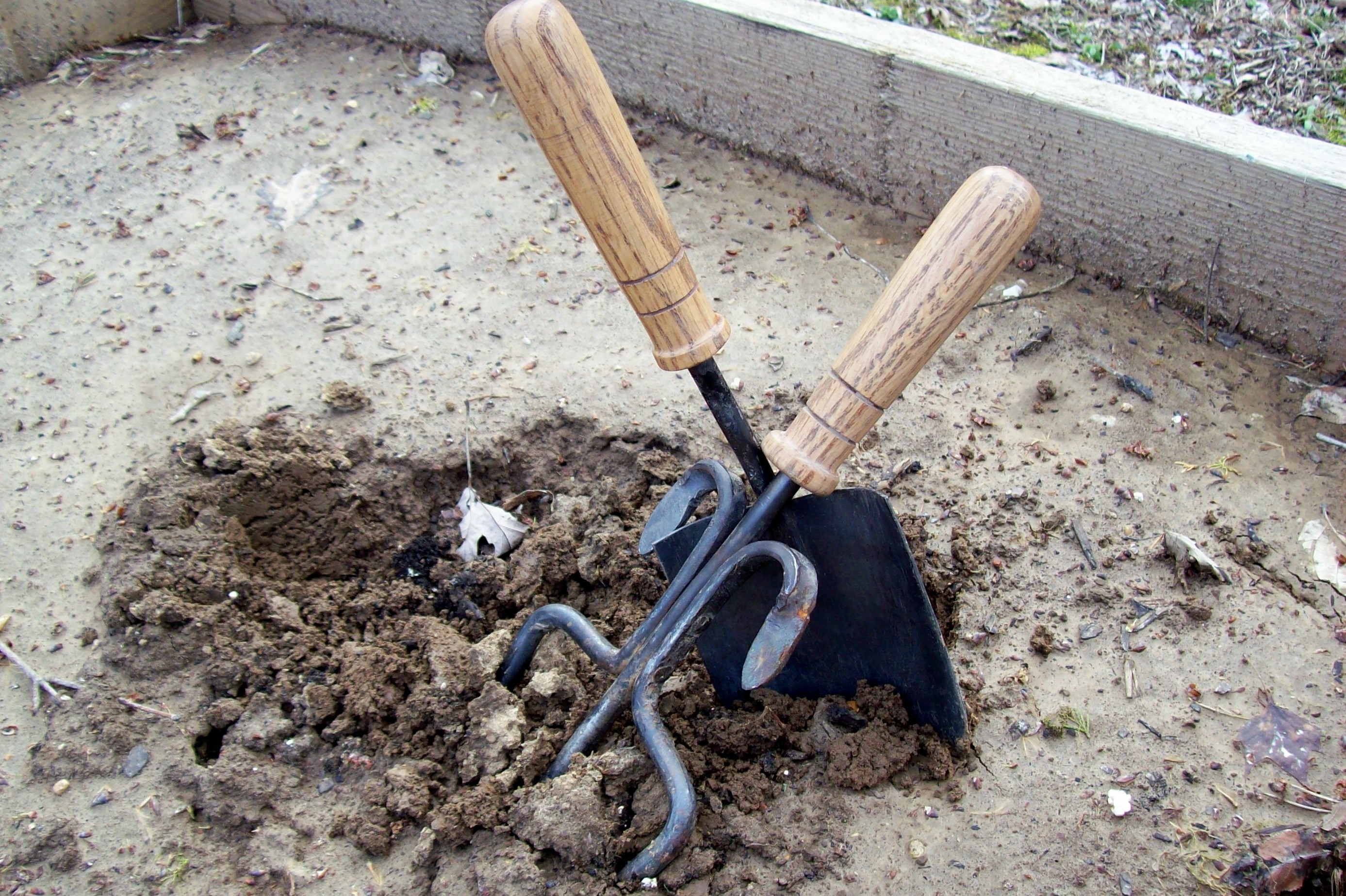
On Saturday, March 26, 10 – 4 PM, come and visit our jardin potager at historic Fort de Chartres. Join us as we step back in time and watch us begin the work of gardening in the Illinois Country.  Volunteers as l’habitants, prepare kitchen garden beds with some reproduction tools and plant heirloom seeds of JMA Primitive Toolsvegetables, herbs, and flowers that might have been grown in this Upper Louisiana region. Celebrate the approach of spring with the age old activities that bring the promise of future harvests of spring, summer, and fall seasons. Thank you to Silvertree Forge, Jas. Adams, Proprietor, for making the primitive gardens tools we use at the heritage garden. If interested, please visit the Participatez page of our garden blog and request contact information regarding Silvertree Forge.

Please note this list of events this spring at Fort de Chartres and travel to the Illinois Country:

  • March 26, Garden Day at Fort de Chartres, 10 – 4 PM (details above)
  • April 1, 2nd Annual School Day Event, sponsored by Save Illinois History. Registration required.
  • April 2 – 4,  Colonial Trade Faire and Rifle/Musket Frolic at Fort de Chartres
  • Kids Day on May 7 th from 10 am to 4 pm, 18th century activities and more! (information soon to follow). This event sponsored by Les Amis de Fort de Chartres (The Friends of Fort de Chartres).

Haute Louisiane en Automne

28 October, Thursday

52 Degrees F

Partly Sunny, Strong N Winds

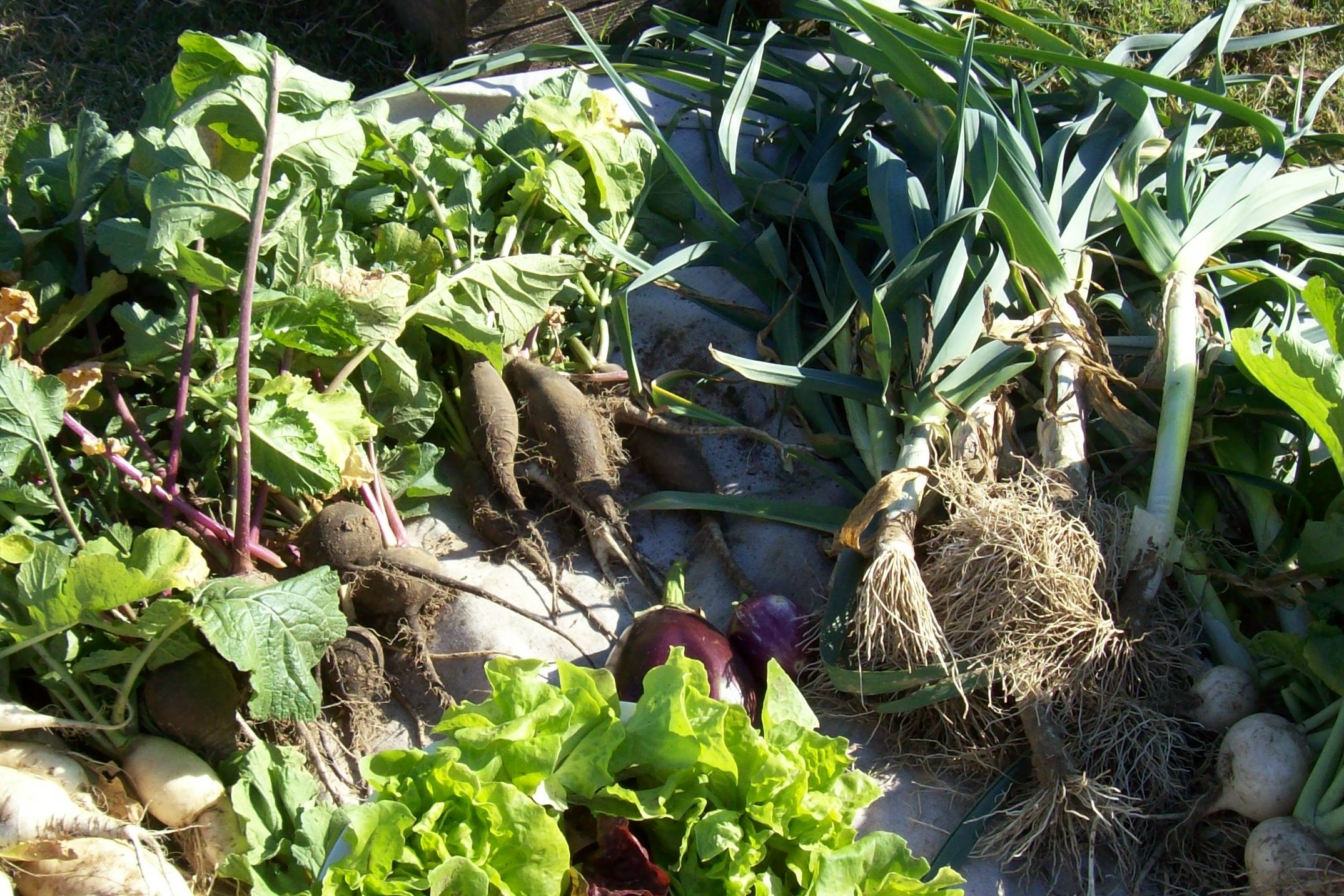
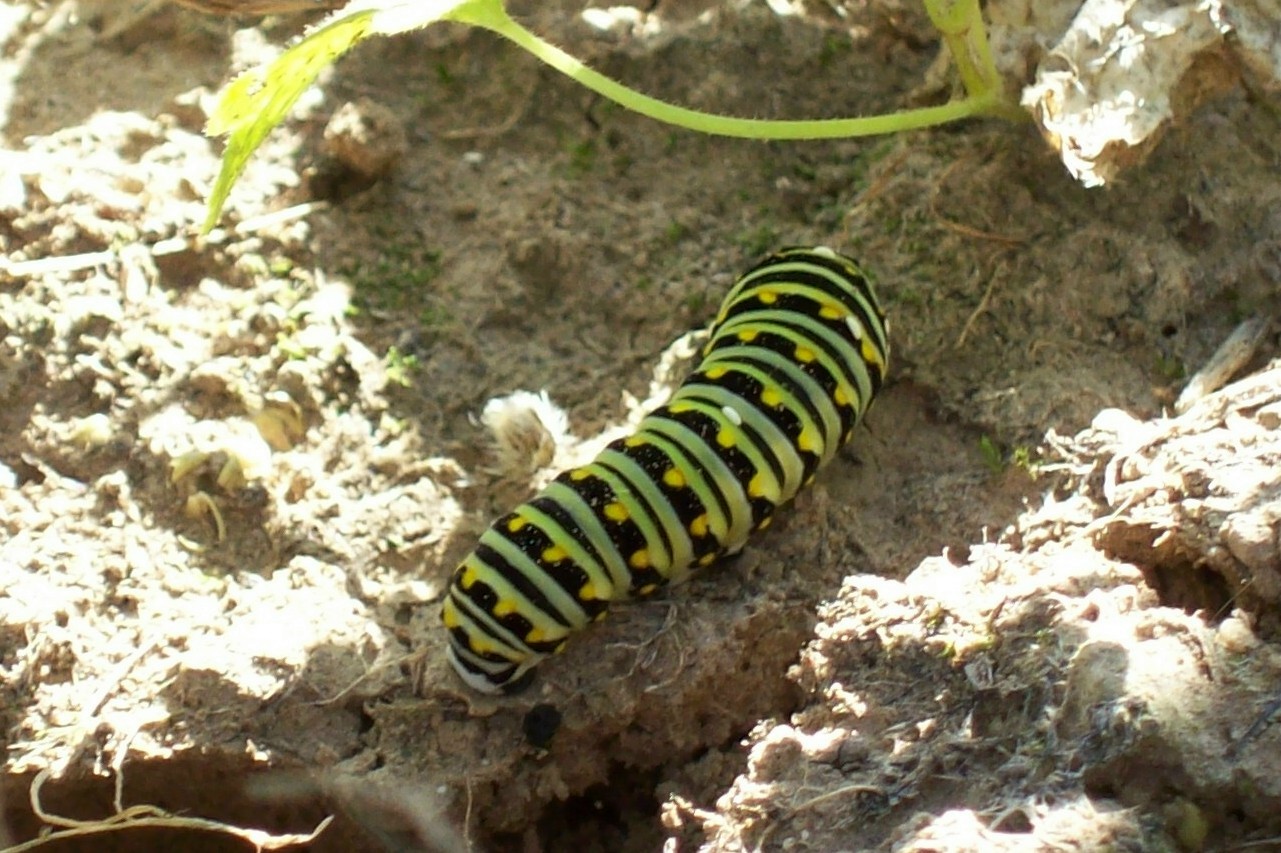
With changes of the season sweeping through the bottomlands on strong northerly winds, that night would be the first strong frost of the fall. Work in the garden focused on the harvesting of the garden’s seasonal crops, while leaving some to withstand the colder temperatures. Carrots, leeks, lettuces, radishes, spinach, turnips and one last watermelon were pulled from the beds. Produce was gathered, compost and leaf mulch were added to amend the soil and to prepare for next year. While clearing the beds, a few visitors lay among the ruins of this past growing season.

Black Swallowtail Caterpillar

They were a reminder of the ever renewing cycles of nature, each with its own season and form. Even as there was much to be enjoyed in the autumn’s harvest, a bittersweet pleasure lingered as we realized this year’s growing season was coming to an end.

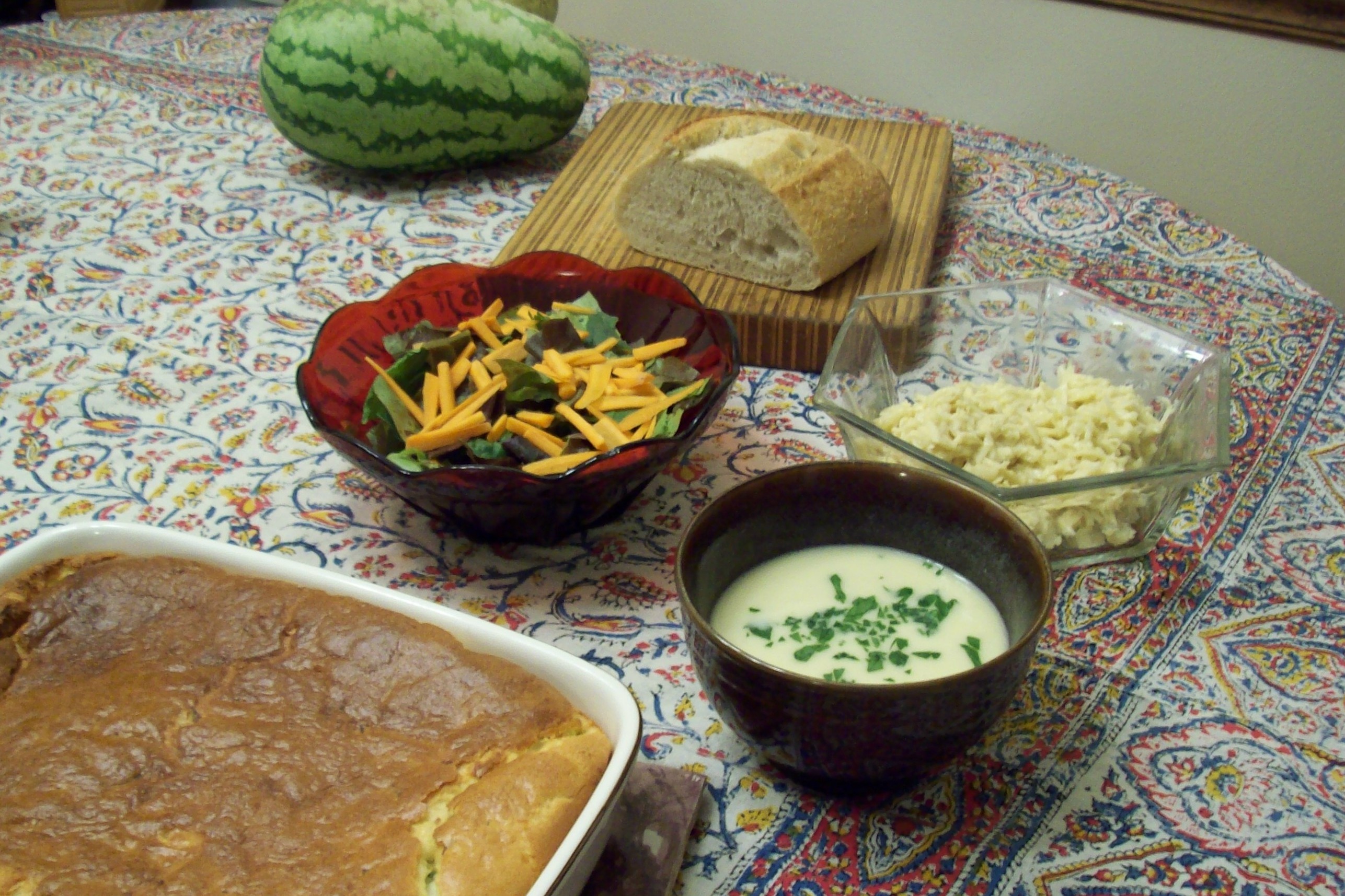
Once home from garden travels, my thoughts turned to the uses for these vegetables of the past. Using as a guide the ingredients that were on hand, recettes were reviewed to determine what could be prepared with our historic and heirloom vegetables. A warm beginning for our harvest meal would be a white turnip soup, potage aux navets blancs.  Next a salad was made utilizing jardin lettuce, spinach and carrots making a simple dressing of the juice of a lemon, mustard and oil. A souffle of gruyere and leeks accompanied with a black Spanish radish remoulade and freshly baked bread prepared for the main course. The last of our Georgia Rattlesnake melons completed our autumn repast with its perfect sweet taste as a final reminder of the summer past. 

Though this meal was created from modern sources, the recipes were not far off the historic mark. As seen in regionally historic recettes and in 18th century French cookbooks, a meal of the French ancestors of this region might have easily included a ramekin, slaw made of turnips or radishes, a chicken bouillon or a potage of leeks or turnips, and sallet of greens. Historic harvest meal recipes are listed in our new blog recette file. The recipes for the modern versions made for the harvest meal can be viewed by clicking on the individual dishes mentioned above.

The next Jardin posting on the Fort events page will feature a late fall holiday spent at the Fort and the activities and food we enjoyed as we made our annual journey into 18th century Pays des Illinois.

« Older posts Newer posts »